


You’ve learned some basics about my background. Now let me introduce you to my family with just a few vignettes to give you a glimpse into their personalities.
ERNST WILHELM ARTHUR HAASE (November 11, 1891 — May 29, 1945)
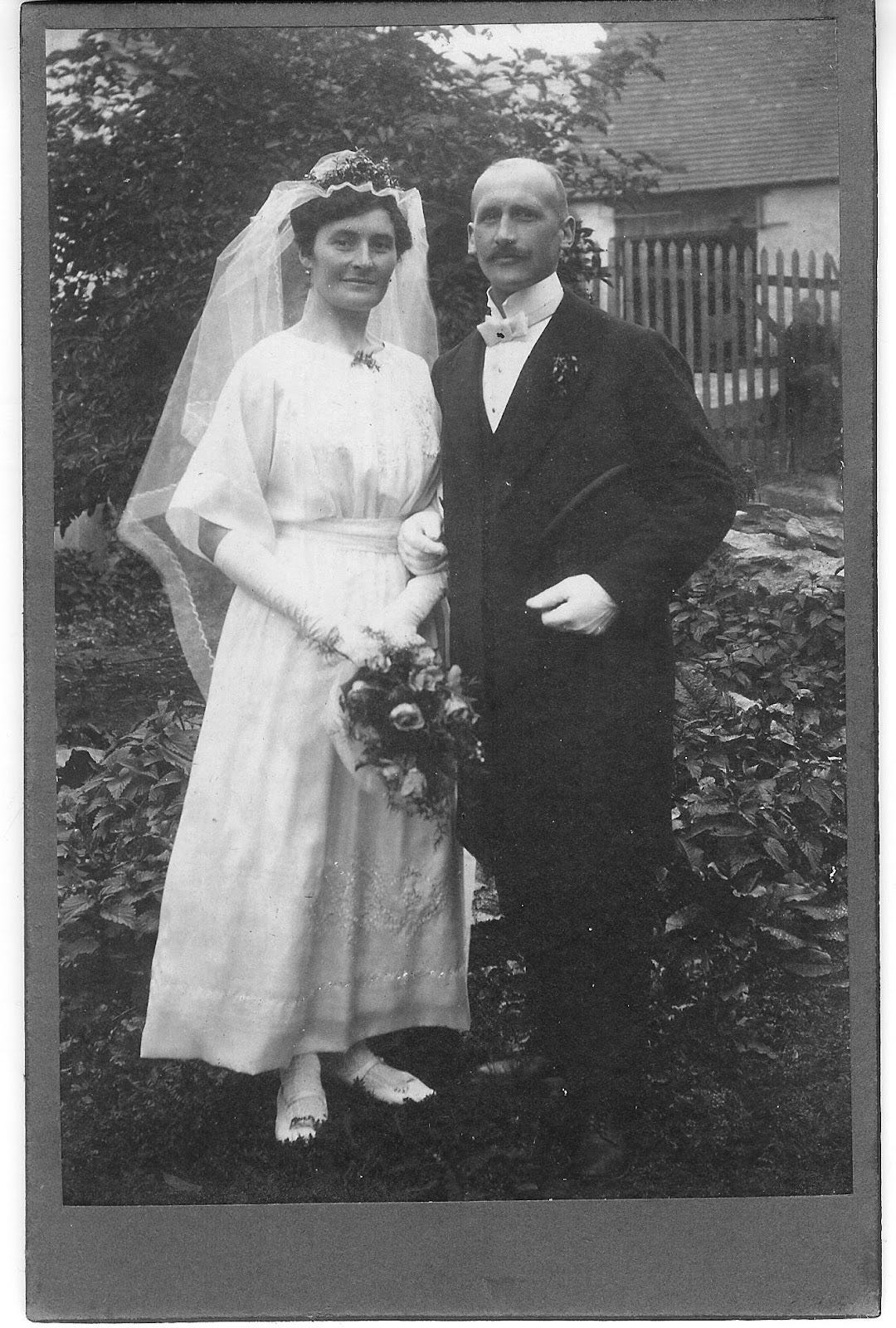
Father was a wild character. Once, in the military, just to show off, he lifted a full bucket of milk with his teeth. He had very strong teeth and died at age fifty-two with only one filling. Surprisingly, he never brushed them and didn’t even own a toothbrush. Even more surprisingly, he didn’t have bad breath.
Military order and discipline ruled our lives. At 5:00 a.m. sharp, Father leaped out of bed, flying with both legs into his long underwear. Then he was off, banging on all doors, shouting, “Time to get up!” His first business was to feed the horses—his pride and joy—before he brushed and curried them. On weekends the horses got their rest, and Father only used them for light work—to pull the carriage to church or to take us on a Sunday drive occasionally.
An important thing to know about Father—he loved cigars. He smoked cheap ones on workdays and an expensive brand on Sundays and holidays. With a good cigar, you could bribe him.
My brother, Kurt, was seventeen when the war started, and he and Father often discussed world events heatedly. The generation gap between the experienced soldier of World War I and the young man who eagerly followed the news was bound to create conflict.
Father often said, “Your generation will be lucky if you finish the war as well as we did in 1918, when no enemy set foot on German soil.”
Kurt was of another opinion. “But see how far our troops have advanced.”
Father would counter, “You will amass victories to the death! Hitler is crazy to advance so far into enemy territory. This means reinforcements and supplies always get farther behind. And what will they do when the Russian winter comes?”
Father ended up being right about everything, and after Kurt saw war up close, they got along much better again.
Father also would say, “Germany can never win because we are persecuting the Jews—woe to those who touch the apple of God’s eye.”
Because of his outspokenness against the regime, people warned Father that he needed to watch what he said or he could be reported. The Nazis in town left him alone, though, mainly because they needed him. Even though he was not a Nazi Party member, the mayor appointed Father to be the agricultural leader of Habendorf. During the war, only old men and boys under age 16 remained in the village.
OTTILIE AGNES HAASE (November 13, 1887 — April 11, 1945).
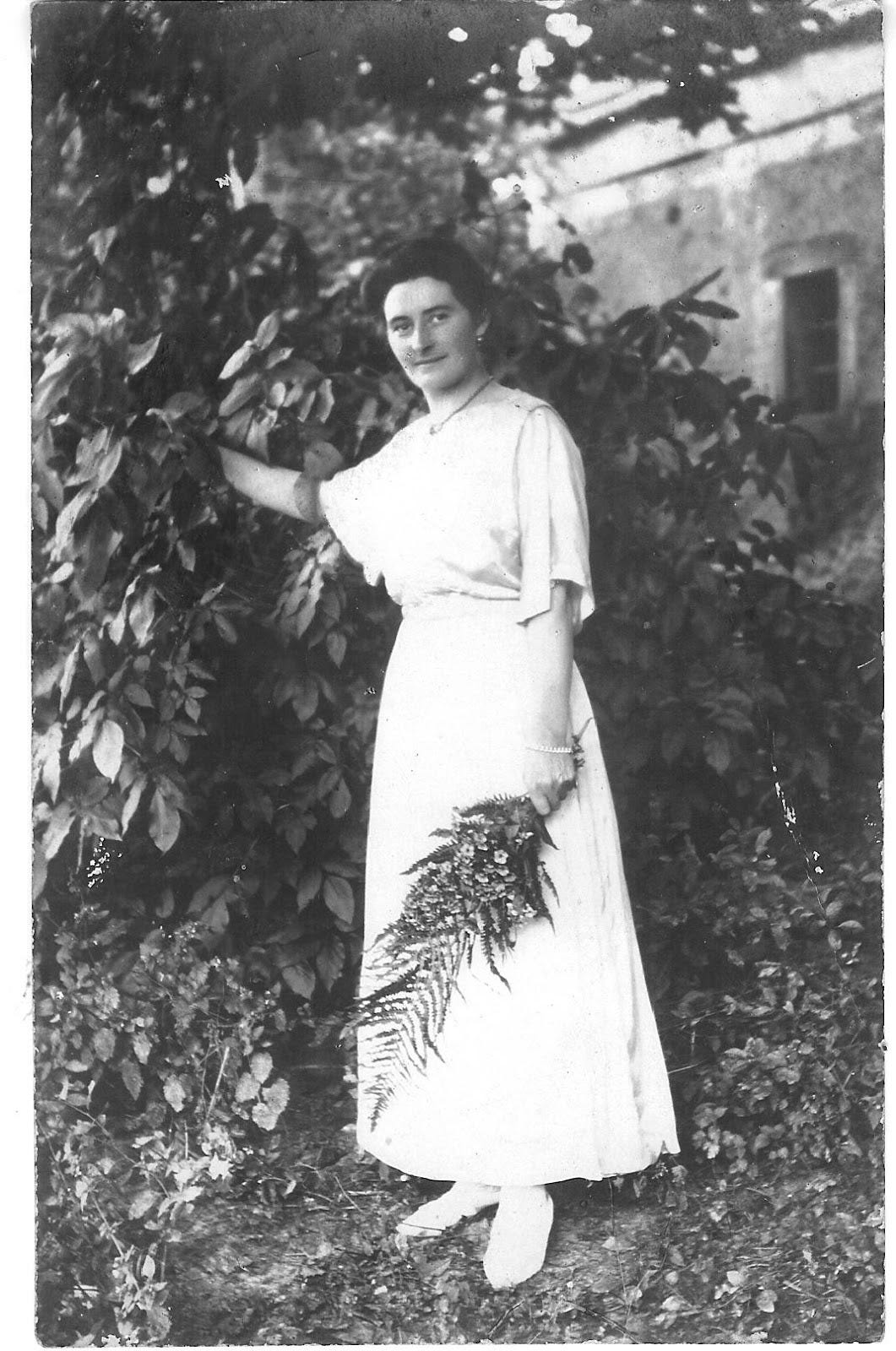
Mother often sang as she worked. I have memories of lying in bed upstairs, listening to her beautiful, clear soprano voice coming from the kitchen.
Wait, my soul, wait on the Lord;
For when your world is broken, He will not forsake you.
Surely your need is not greater than your Helper.
In all storms, in all distress, your great God is your protector.
How often I thought of this song throughout my life. The Lord has truly been my Helper in every situation.
But when Mother sang about dying and the afterlife, I would clap my hands over my ears. She said she looked forward to heaven, but I didn’t want to think about losing her. As a child I saw that my parents’ health was not good and that they would probably not live long. Once I said, "Oh, Mama, I will be so young someday and without parents. What then?”
She answered, “The One who guides the clouds and the wind will also make a way for you.”
I had the best mother, one who prayed with me and for me. She also didn’t hesitate to drive nonsense out of my head with a few firm whacks now and then. I would always be so ashamed that I had irritated her so much. I didn’t want to cause my dear Mama distress. I constantly lived in fear that one day she would die before I’d have a chance to say goodbye.
KURT GUENTER HAASE (May 8, 1922 — December 29, 1943)
Kurt was the oldest sibling, seven years older than me. He was an excellent marksman. When he was fourteen, Father gave him his old hunting gun, which responded with a hefty kick when fired. Father figured this would cure his son’s interest in firearms. But he was wrong.
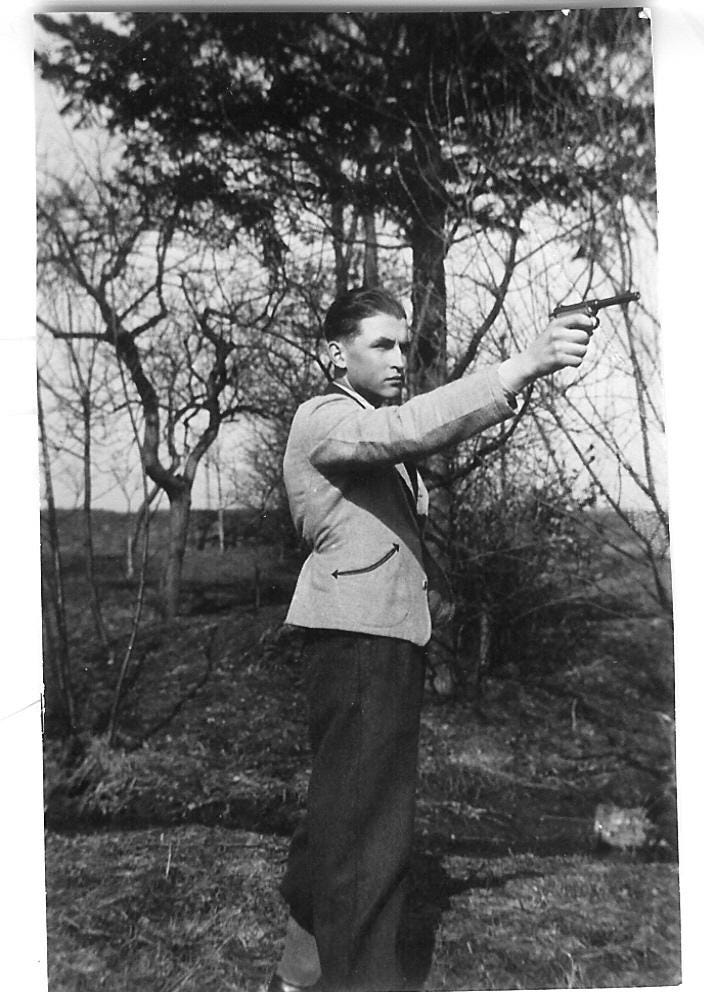
Kurt picked up the rifle, aimed at a pigeon on the roof—and bang. Bull’s-eye, first shot. His face was white from the gun’s kick and flushed with the excitement of his success. Father was speechless. So he bought his son a special gun for target practice, which Kurt quickly mastered. He could hit anything, even with a pistol. He had a steady hand and excellent eyesight and was not easily ruffled. We sisters admired him greatly. Later, during military target practices, Kurt would shoot a perfect round and then get time off while the others continued to train.
The Hitler Youth met on Sunday mornings, but Kurt attended church instead. Once, as he walked through the village carrying his hymnbook, several ruffians surrounded him and threatened to beat him up. He looked at them disdainfully and said, “You are cowards—there’s only one of me and so many of you. But just go ahead and try it!” He was strong and knew it. They decided to let him go and warned that if he continued to attend church, they’d come after him again.
This incident upset Mother terribly, but Kurt said, “I couldn’t care less. I’m not going to let them bully me. Now I’m even more determined to not attend those Hitler Youth meetings.”
And he didn’t. The boys who threatened him had Communist parents who had turned Nazi, but they left him alone after this.
When Hitler invaded Poland in 1939, Kurt was seventeen. We weren’t too worried because this blitz was over quickly, and besides, Kurt was too young to be drafted. Unfortunately, the war dragged on, and one day, Kurt was also called up.
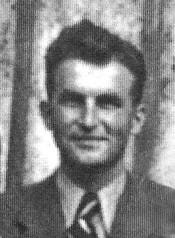
After boot camp and a short stint on the Russian front, Kurt was eventually transferred to the “Regiment Grossdeutschland” (comparable to U.S. Special Forces), which sought tall, handsome men without physical flaws and with high integrity. This was not the German SS (my mother was so relieved about this) but a highly modernized division sent in when the war front bogged down. Many royals served in this regiment. I was very proud of my big brother.
KAETE ANNELIESE (HAASE) STEPIEN (June 27, 1923 —December 27, 1999).
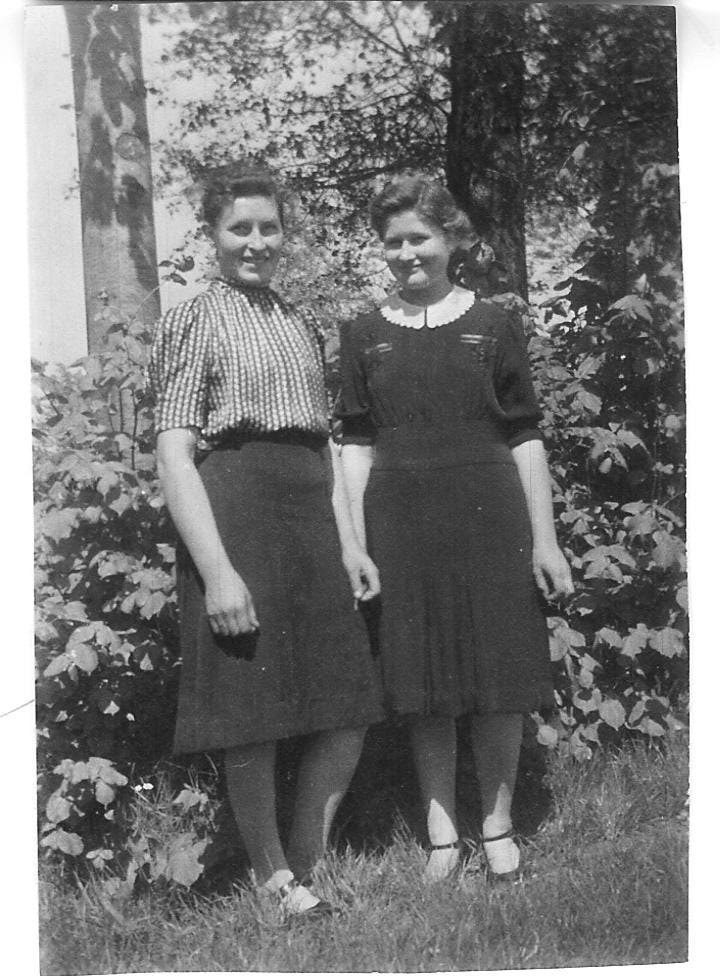
Kaete (on the left; I am on the right) was thirteen months younger than Kurt and six years older than me. She and I shared a bedroom. But because I was so much younger, my siblings tended to play with each other and leave me behind.
Kaete was very frugal. Not only with clothing but also with treats. For Christmas we usually received several bars of chocolate. Kurt and I would enjoy ours over the holidays. Kaete, however, would hide her stash and save it until Easter. Then she would pull it out, and we would beg her to give us a few pieces. Always, to our disappointment, the chocolate proved stale. Mother and Father held up our sister as the model of self-restraint, but Kurt and I never repented—we preferred our chocolate fresh!
Father expected his children to be more productive and work harder than the hired help. Kaete was a good worker and very industrious—nothing seemed too much for her—but Father’s demands could become ridiculously unreasonable. One day during haying season, Kaete raked behind the hay wagons, but because of the heat, she began having trouble keeping up. Father became irritable and started yelling. She could not work any faster, and the situation became impossible. Finally, Tante Ida, working beside her, quietly suggested, “Just fall down—pretend to faint.” Kaete took her advice and sank to the ground.
Father leaped from the wagon in alarm. “She’s overheated!” He ran for water and cooled her off until she “came to.” From that time on, he worked at a more reasonable pace.
Kaete wasn’t too interested in books. Intending to read later, she’d hide a new book to prevent me from reading it first. I would always search until I found it and then read it secretly because reading was my passion. Of course, when I foolishly told her what was in her book, she’d be furious with me.
FAMILY LIFE
I loved warm summer evenings when our family sat outside on the bench in the garden. The nightingale sang, and every so often the cuckoo called. The air was fragrant with the scent of roses, lilacs, and linden trees. In the distance, you could hear the evening church bells tolling and the neighbor’s accordion playing. These warm summer evenings were so beautiful; I wished I could stay up all night.
As we sat in the garden together, Mother liked to sing hymns or folk songs, and Father (when slightly inebriated) belted out old soldiers' tunes. Kurt, Kaete, and I—singing in three-part harmony—crooned: “The stars that shone at home, they shine for me in foreign lands, too.” I never dreamed how true these words would ring for Kaete and me someday.
“Under His Wings” are excerpts from Hannchen Gantenbein’s autobiography as told to Ruth Wood, her daughter. The account highlights God’s protection and guidance as she grew up in Nazi Germany, lived through World War II, and immigrated to the United States. Watch for monthly posts on the 20th!
Under His Wings/Table of Contents
So interesting. Thanks for sharing such personal content. 😇
I love this so much!! It’s such a lovely project!